

 Tiếng Việt
1. What is crypto leverage trading?
.jpg)
Leverage in crypto trading allows traders to control a larger position in the market with a relatively small amount of capital, known as the margin. Essentially, leverage is the use of borrowed funds to magnify potential returns. In a leveraged trade, a trader’s position is effectively amplified by a multiplier. For example, if a trader uses 10x leverage, they can control a position worth 10 times their initial margin, assuming they’re using borrowed funds.
How does Crypto Leverage Trading work?
Here’s how leverage trading typically works in the cryptocurrency market:
-
Margin: The amount of your own capital required to open a leveraged position.
-
Leverage Ratio: The ratio at which you borrow funds to trade. A leverage ratio of 2:1 means you borrow twice the amount of your margin; a 10:1 ratio means you borrow ten times the amount of your margin.
-
Position Size: The total value of your trade, including the leverage. For instance, with a $1,000 margin and 10x leverage, the trader is controlling a $10,000 position.
-
Liquidation: If the value of the trader’s position moves against them and the losses approach the amount of their margin, the exchange may automatically liquidate the position to prevent further losses. This is one of the most significant risks of leverage trading.
2. Key benefits of crypto leverage trading
.png)
-
Amplified Profits: The primary allure of leverage trading is the ability to make larger profits with a smaller initial investment. A small price move can lead to outsized gains when leverage is applied.
-
Capital Efficiency: Leverage allows traders to control larger positions with less capital upfront. This can free up capital for other investments or trades.
-
Flexibility: Traders can go both long (buy) and short (sell) with leverage, enabling them to profit in both rising and falling markets.
Example:
-
Suppose Bitcoin is trading at $50,000, and a trader opens a 10x leveraged position with $1,000. The trader’s position size would be $10,000 (10 x $1,000). If Bitcoin rises by 5%, the trader's position increases in value by $500, which is a 50% return on their $1,000 margin (5% of $10,000).
3. Key risks of crypto leverage trading
While leverage offers the potential for greater profits, it also significantly increases the risk of substantial losses, especially in the volatile world of cryptocurrency trading.
-
Magnified Losses: Just as leverage can amplify gains, it can also amplify losses. A 5% loss in a position with 10x leverage can wipe out 50% of your margin. If the price moves too far against your position, you may face liquidation, where your position is automatically closed to cover losses.
-
Liquidation Risk: Each leveraged position has a liquidation price, which is the price level at which your position will be automatically closed by the exchange if your losses exceed your margin. In the crypto market, where prices can fluctuate sharply in a short period, the liquidation price can be triggered quickly, leading to the loss of your entire margin.
-
Volatility: Cryptocurrencies are notorious for their price volatility. While this volatility offers opportunities, it also increases the likelihood of significant price swings that can result in sudden liquidations for leveraged traders.
-
Borrowing Costs: When trading with leverage, you’re essentially borrowing funds from the exchange or another trader. Some platforms charge interest on borrowed funds, and these costs can accumulate over time, reducing your overall profitability.
4. How leverage affects risk management
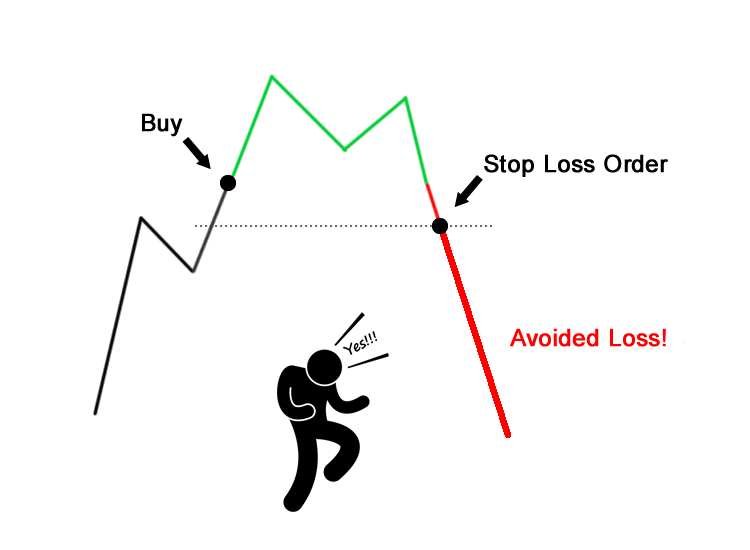
Leverage trading requires careful risk management to avoid catastrophic losses. A trader’s margin is the last line of defense against liquidation, so protecting that margin is critical.
Key Risk Management Strategies
-
Stop-Loss Orders: These are essential in leveraged trading. A stop-loss order automatically closes your position if the price moves against you by a certain amount, preventing further losses. For example, setting a stop-loss order 2% below the entry price can help limit potential losses in case the market moves unfavorably.
-
Position Sizing: Using proper position sizing means ensuring that a loss in a given trade won’t wipe out a significant portion of your capital. Traders can adjust position sizes based on their risk tolerance and the leverage being used.
-
Margin Call: If the value of your position drops below a certain threshold (usually 80% of your margin), exchanges may issue a margin call—a request for additional funds to keep the position open. Responding to margin calls by adding additional funds is one way to avoid liquidation.
-
Diversification: Diversifying your trades across multiple cryptocurrencies or other assets can help spread risk. Trading smaller positions across various assets can reduce the impact of a single market event.
5. Leveraged Trading Platforms and Their Features

Several platforms offer leveraged crypto trading, each with varying levels of leverage, fees, and trading tools. Some of the most popular exchanges for leveraged crypto trading include:
-
Binance: Offers leverage up to 125x on certain crypto pairs, with advanced risk management tools like stop-limit orders and trailing stops.
-
Bybit: Offers leverage up to 100x and provides a user-friendly interface for margin trading.
-
FTX (formerly): Known for its leverage offerings and extensive crypto derivatives market. However, always research the current status of exchanges due to regulatory changes.
-
BitMEX: One of the most famous leverage trading platforms with up to 100x leverage, focusing primarily on futures contracts.
Each of these platforms typically offers a range of tools for traders, including real-time charting, risk management features, and automated trading options. It’s essential to understand the platform’s margin requirements, fees, and the leverage options available before initiating leveraged trades.
6. Common Crypto Leverage Trading Strategies
-
Trend Following: This strategy involves identifying trends in the market and using leverage to amplify the trend. For example, in a strong bullish trend, traders may open long positions with leverage, betting that the upward price movement will continue.
-
Range Trading: When the price of a cryptocurrency is trading within a defined range, traders may open leveraged positions at support levels (buy) and resistance levels (sell), hoping to capitalize on short-term price movements within the range.
-
Scalping: Scalping involves making numerous small trades throughout the day to profit from short-term price fluctuations. Leverage can be used in scalping to increase the profit per trade, although this strategy requires fast execution and precise risk management.
-
Hedging: Some traders use leverage to hedge against their existing positions. For example, if a trader holds a long position in Bitcoin but fears a short-term downturn, they may take a leveraged short position to mitigate potential losses.
7. Conclusion
Crypto leverage trading offers tremendous potential for traders to amplify profits, but it also introduces significant risks that need to be managed carefully. Leverage can turn small price moves into substantial gains, but it can also lead to massive losses and liquidation if the market moves against you.
To succeed in leverage trading, traders must implement strict risk management strategies, including using stop-loss orders, managing position sizes, and avoiding excessive leverage. By doing so, they can make the most of leverage trading while mitigating the inherent risks of the crypto market’s volatility.
Ultimately, leverage is a double-edged sword: when used correctly, it can enhance trading outcomes, but when mismanaged, it can lead to rapid losses. Education, experience, and discipline are critical components of a successful leveraged trading strategy.
Read more:
.png)